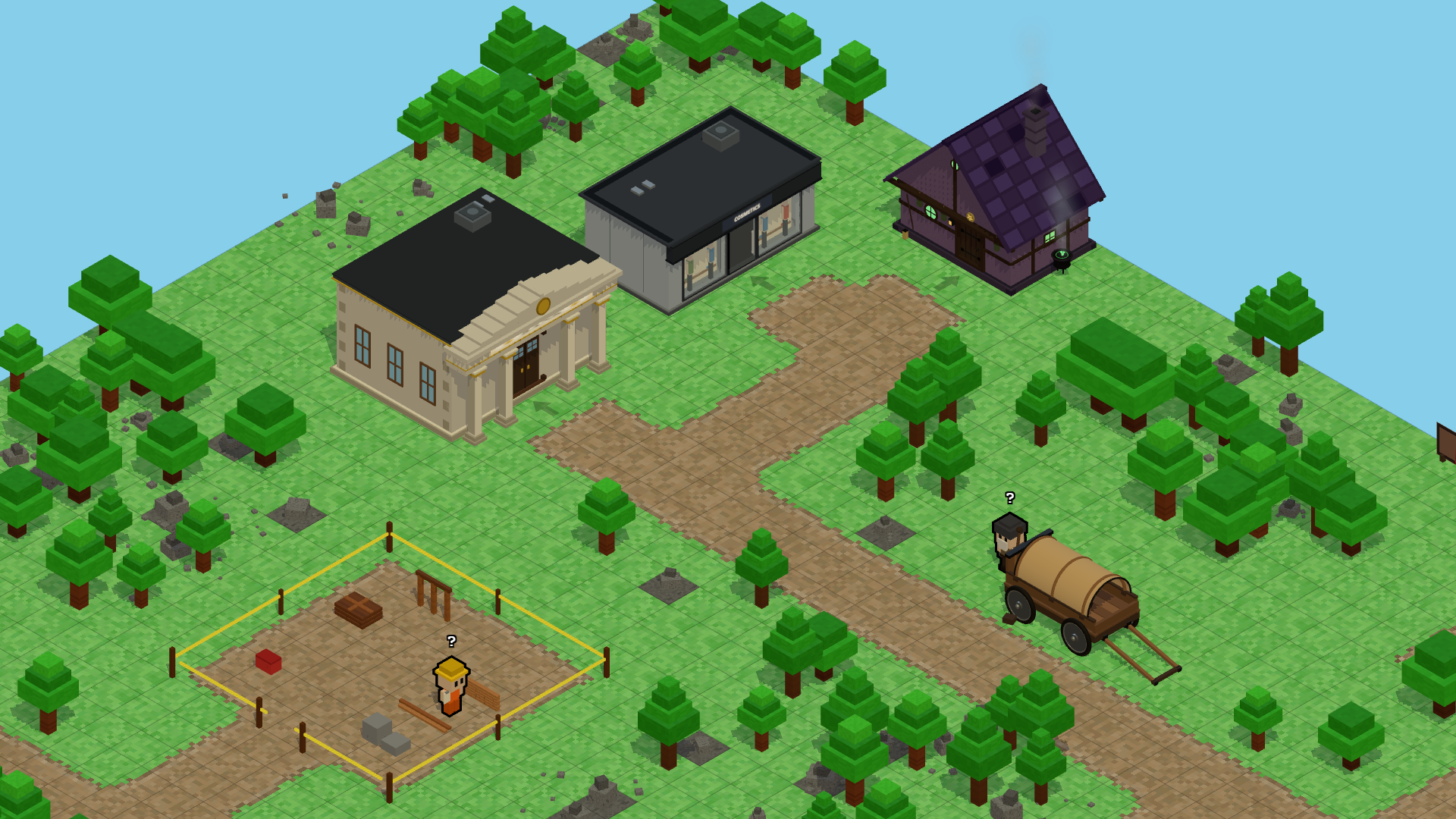
Kintara's economy has two layers: gold (in-game, earned by playing) and $KINS (on-chain Solana token). The bridge between them is the Marketplace. Here's how the money actually flows — and how to get more of it flowing to you.
How the economy works
Gold — the in-game currency
| Gold comes IN from | Gold goes OUT to |
|---|---|
| Quest & daily quest rewards | Cosmetic shop purchases |
| Selling items/gold to players on the Marketplace | Building costs (firepits, shacks) |
| Merchants and events | Merchant buys and shop sinks |
| Spinner prizes (~1 in 20 spins pays gold) |
$KINS — the on-chain token
Two official on-chain sinks keep $KINS circulating:
- Paid spinner spins — $5 USD worth of $KINS per spin; 50% burned (removed from supply), 50% to the game treasury.
- Gold-for-$KINS marketplace sales — buyer pays $KINS on-chain; 95% goes to the seller, 5% to the treasury.
The cash-out pipeline: gold → $KINS
- Open the Marketplace from the radar HUD cart icon (works anywhere).
- Go to the Gold for $KINS listing type.
- List your gold at a USD-based price. The exact token amount follows the live $KINS price at quote time.
- When another player buys, their wallet sends $KINS in one transaction: 95% straight to your wallet, 5% to the treasury.
Note: regular gold listings (item-for-gold trades) have no treasury cut — the seller receives the full gold amount. The 5% fee only applies to gold-for-$KINS sales.
Income sources, ranked for new players
1. Daily quests — do these first, every day
Gather and combat objectives reward gold, items, and XP for things you're doing anyway. They reset daily. This is the most consistent gold in the game and costs nothing.
2. Gathering — steady, scalable, safe
Wood, stone, coal, and fish all sell on the Marketplace. Everything stacks to 999, so a focused session adds up. Efficient loops:
- Mining loop: Mainland Mine interior → bank is right outside. Minimal walking.
- Fishing loop: The Pond → cook at the Roast Pit → cooked fish doubles as your healing supply.
- Wood loop: Whisperwood, safely, while dailies tick along.
Estimate your own rates with the farm profit calculator.
3. The free spinner spin — never skip it
Once your average skill level hits 5, you get one free spin every 24 hours with the same prize table as paid spins (20 segments; ~1 in 20 pays gold, the rest wood/stone/coal). It's free value — log in and spin.
4. Wilderness runs — higher risk, higher reward
Tougher mobs occasionally drop mounts, and PvP wagers are possible. But dying drops items into a tombstone. Rules for profitable wild runs:
- Bank everything valuable first. Carry only your weapon and light supplies.
- Use the Wilderness safe camp to reset between pushes.
- If you die, sprint back to your tombstone before it expires.
5. Marketplace trading — for the patient
Buy underpriced listings, resell at market rate. Item-for-gold trades have no fee, so margins are pure. Requires capital and price knowledge — browse the Marketplace daily until you know what things are worth.
Should you pay $5 for a spinner spin?
Short answer: almost certainly not for profit. With ~1 in 20 spins paying gold and the rest paying common resources, the prize value has to beat $5 on average for a paid spin to be +EV — run your own numbers in the spinner EV calculator. The free daily spin, on the other hand, is always worth taking.
Maximizer checklist
- Log in daily: free spin + daily quests, even on busy days (15 min).
- Bank before every wild run, no exceptions.
- Cook fish at the Roast Pit — heals are supplies you didn't buy.
- Check gold-for-$KINS listing prices before posting yours.
- Skip cosmetics until your income loop is established — they're visual only.
- Track your hourly rates with the calculators and farm what actually pays best.
Enjoying the site?
This guide is free and always will be. If it made you gold, consider sending a little SOL or $KINS back:
7YooX4RhZD5ViHafVss283mk7vHxAYFgf1vXNwns7EUz